
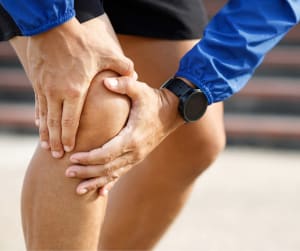
When knee pain shows up, most people immediately think they should rest.
And in some situations, short-term rest is absolutely necessary.
But for many adults dealing with chronic knee pain, too much rest may actually make the problem worse.
If you've been waiting for your knee to magically improve while avoiding activity, this article is for you.
Why Knee Pain Happens
The knee is often blamed for pain that actually starts somewhere else.
Your knees are influenced by:
- Hip mobility
- Ankle mobility
- Muscle strength
- Balance
- Movement patterns
When one of these areas isn't functioning properly, the knee often absorbs extra stress.
Over time, pain develops.
The Cycle of Rest and Deconditioning
Here's what often happens:
Knee hurts.
You stop exercising.
Strength decreases.
Mobility declines.
Movement becomes less efficient.
The knee hurts even more.
This cycle can continue for months or years.
Movement Is Often Part of the Solution
Many people are surprised to learn that the right type of exercise can actually reduce knee pain.
Movement helps:
- Improve circulation
- Maintain joint health
- Build supporting muscles
- Improve balance
- Restore confidence
The key is choosing appropriate exercises and progressing gradually.
The Muscles That Protect Your Knees
Strong muscles act like shock absorbers.
Important muscle groups include:
- Glutes
- Quadriceps
- Hamstrings
- Calves
- Core
When these muscles are weak, the knee often experiences more stress than it was designed to handle.
Common Mistakes
Many adults unknowingly make knee pain worse by:
- Avoiding all activity
- Ignoring strength training
- Focusing only on stretching
- Returning to activity too aggressively
- Waiting until pain becomes severe
Small problems often become larger problems when left unaddressed.
When to Seek Help
You should consult a healthcare professional if:
- Pain persists for several weeks
- Swelling is significant
- The knee feels unstable
- Pain limits daily activities
- You notice decreased mobility
Early intervention often leads to better outcomes.
Building Resilient Knees
The goal isn't simply to eliminate pain.
The goal is to create a body that can handle daily life with confidence.
That means:
- Better movement
- Improved mobility
- Increased strength
- Consistent activity
Final Thoughts
Many adults assume knee pain is an unavoidable part of aging.
It isn't.
While aging can bring changes, chronic knee pain is often a sign that something needs attention—not something that should be accepted.
The right combination of movement, strength, and mobility can help many people return to the activities they enjoy most.
Sometimes the answer isn't more rest.
Sometimes the answer is learning how to move better.