Functional training has become one of the most overused terms in fitness.
Every gym claims to offer it. Every coach says their program is functional. And yet, many people who train this way still deal with pain, poor movement, and a body that does not actually perform better in real life.
The problem is not functional training itself.
The problem is how most gyms define it.
At Functional Effect, we believe functional training should make your life easier, your body stronger, and your performance better. Not just make workouts look impressive on social media.
What Functional Training Was Meant to Be
At its core, functional training is about preparing your body for the demands of real life.
That includes:
Lifting and carrying objects safely
Moving well through full ranges of motion
Producing and absorbing force efficiently
Staying strong, mobile, and resilient under load
True functional training improves how you move, not just how tired you feel after a workout.
Functional Does Not Mean Random or Extreme
One of the biggest mistakes gyms make is confusing functional with chaotic.
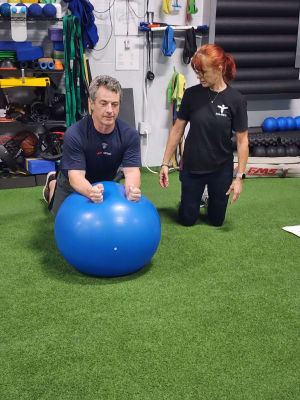
Balancing on unstable surfaces.
Performing complex movements under fatigue.
Chasing novelty instead of mastery.
These approaches look challenging, but they often create more risk than reward. They do not build durable strength or transferable skill. They simply create exhaustion.
If a movement cannot be progressed, repeated, and measured, it is not functional. It is just entertainment.
Why Circus Style Training Fails Long Term
Many programs rely on flashy exercises to keep workouts exciting. While novelty can feel engaging, it usually comes at the expense of progress.
Common issues include:
No clear progression from week to week
Inconsistent loading and movement patterns
Increased injury risk due to fatigue and poor mechanics
Functional training should make you better over time. If every workout feels completely different, your body never adapts in a meaningful way.
Real Functional Training Transfers to Real Life
True functional training has carryover.
You should notice:
Daily tasks feel easier
Your posture and movement improve
You feel more stable, strong, and confident
For athletes, functional training should also improve speed, power, and resilience in sport specific demands. This only happens when training is intentional and structured.
Strength that transfers is built through repeated exposure to fundamental movement patterns, not constant reinvention.
Why Structured Progression Beats Novelty Every Time
The human body adapts to consistent, progressive stress.
That means:
Gradually increasing load
Improving movement quality
Building capacity over time
At Functional Effect, we focus on mastering foundational movements and progressing them intelligently. Squatting, hinging, pushing, pulling, carrying, and rotating are trained with purpose and progression.
This is how functional training actually works.
How Functional Effect Defines Functional Training
Our approach is simple and effective.
We start with an assessment to understand how your body moves and what it needs.
We build strength through fundamental patterns using controlled ranges of motion.
We integrate conditioning that supports performance and recovery.
We progress training over time instead of chasing constant novelty.
The goal is not to make workouts look impressive.
The goal is to build bodies that perform.